Infusion clinics · 4 min read
Why infusion clinic ads pay for education, not consults
Infusion clinic ads usually land on a page that explains the medicine. Patients need a page that explains the appointment. What that does to cost per consult.
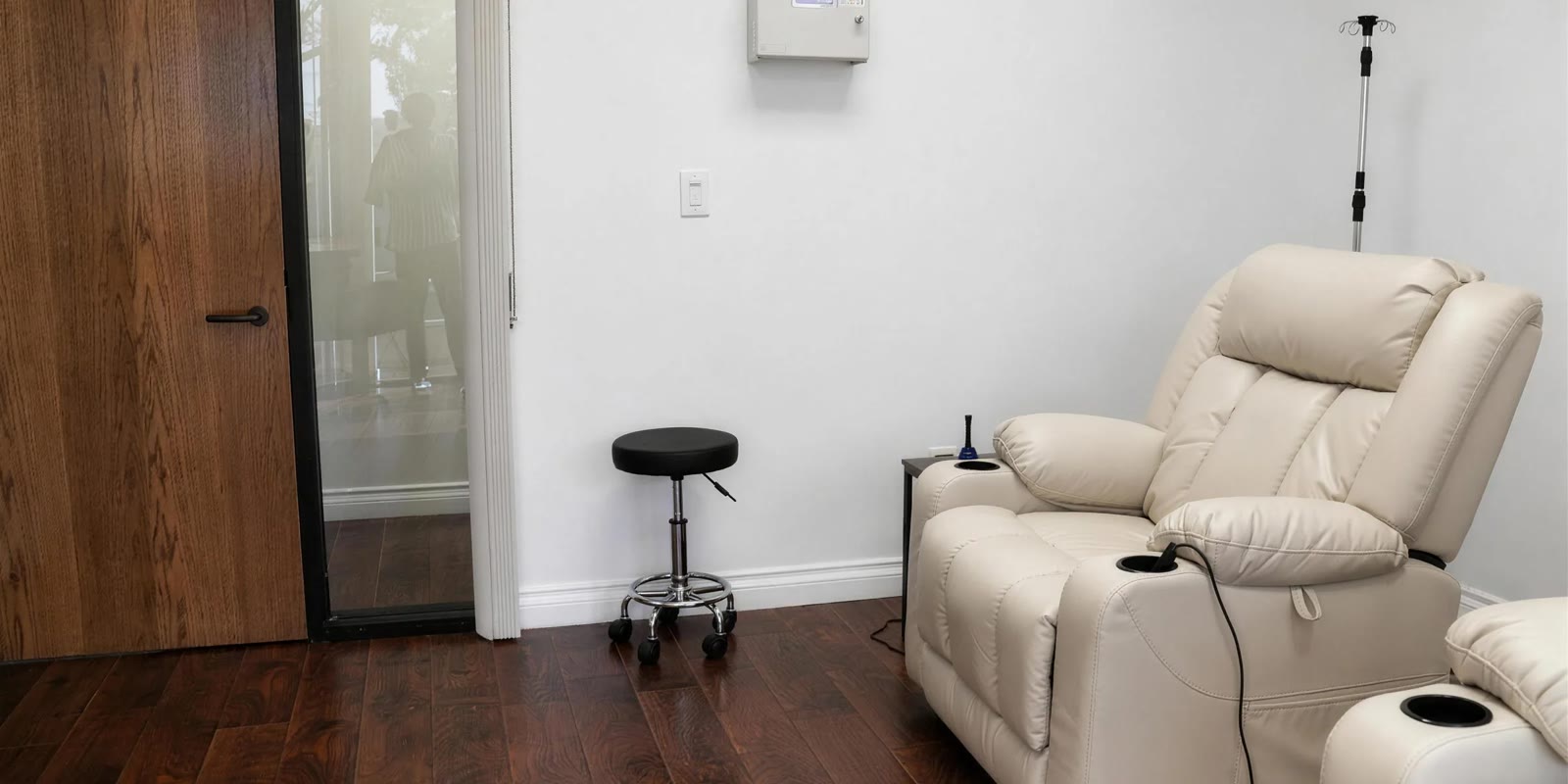
An infusion clinic sells one thing: a chair, a nurse, and forty minutes, instead of a hospital and half a day. It is a good product. It is also a product most of the people who need it do not know exists, and the ones who do are searching under a dozen clinical names. That gap is where the ad budget goes.
The page explains the medicine, not the appointment
Open the landing page most clinics send paid traffic to and you will find a good explanation of IVIG, iron, or hydration therapy. What the drug does. Who it is for. Sometimes a paragraph about insurance. What you will not find is the answer to the question the visitor actually arrived with: can I get this done here, this week, and what happens when I walk in.
When the page answers the first question and not the second, the ad spend is paying for education. The visitor learns something, leaves, and books somewhere else, or with nobody. The platform records a click and no conversion, learns nothing about who books, and keeps buying the same clicks.
What a consult page has to do
We build infusion pages around the appointment, not the therapy. It is the first of the three things we build, and in practice it means:
- One job. The page exists to produce a booked consult. Every element either moves toward that or is removed. The specialist referral form, the nurse bio, the map, the hours, the phone number, and the booking button all point at the same action.
- Message match. The ad that says “hydrate and recharge” lands on a page that says “hydrate and recharge”, with the same photograph. An ad that says “the infusion your specialist ordered, without the hospital” lands on a page about exactly that. A general clinic homepage cannot do this, which is why we do not send paid traffic to it.
- The phone number where a patient looks for it. Above the fold on a phone, tappable, tracked. In every clinic account we have run, calls are a large share of conversions, and a page that hides the number behind a menu loses them.
- The actual room. We photograph the suite, the chair, the reception desk, and the nurse. Stock photography of a smiling stranger in a white coat tells a nervous patient nothing. A picture of the chair they will sit in does.
Why the creative has to match the page
A clinic will usually have one general video and a few statics. The video is a tour. The statics are logos on a colored background. None of it carries a single idea.
The ad library we shoot for a clinic is a set of short vertical videos and stills, each with one idea: recover from training, hydrate before the event, get the infusion your specialist ordered. Each one has its own page, or its own section of a page, with the same idea and the same imagery. The ad earns the click with a promise and the page keeps it.
This is not a creative preference. It is what makes the media buy learn. When ad, page, and conversion are one idea, the platform can tell which ideas produce consults and shift budget toward them. When the ad is one thing and the page is another, the signal is noise.
What to measure
Cost per booked consult, tracked to the booking. Not cost per click, not cost per lead form, not landing page views. A consult that is booked and shows up is the number the clinic’s finance person can reconcile, so it is the number the media buy should be judged on.
To get there, the tracking has to exist before the budget scales. Call tracking with dynamic number insertion so a phone consult can be attributed to a keyword or an ad set. A booking form that fires a conversion event only on submission. Offline conversion uploads from the booking system if the clinic’s software allows it. We install all of this in the first weeks, before we ask the client to spend more.
What this looked like for a clinic network
For ClinIVoy Infusion Care, a network of clinics in Southern California, the existing pages explained the medicine and ad traffic landed on a general site. We shot the brand film and a library of vertical ads at the clinic, built a dedicated IVIG page with one job, and pointed Meta and Google at that page, tracked to the consult. The number we manage is cost per booked consult, and every creative and page change is judged against it. The case is on the Work page.
If you run a clinic
Look at the page your ads land on and ask the second question: does it explain the appointment, or the medicine? If it is the medicine, you are paying for education. The fix is not a bigger budget. It is a page with one job, creative that matches it, and tracking that can see a booked chair.
That is what the Marketing Audit is for. It is a written diagnosis of the pages, the creative, and the accounts, and a 90-day plan you can run with any team.