Private education · 3 min read
The private school enrollment marketing calendar
A school's ad budget should follow its enrollment window: build before it opens, spend while tours convert, pause when seats are full. How to plan the year.
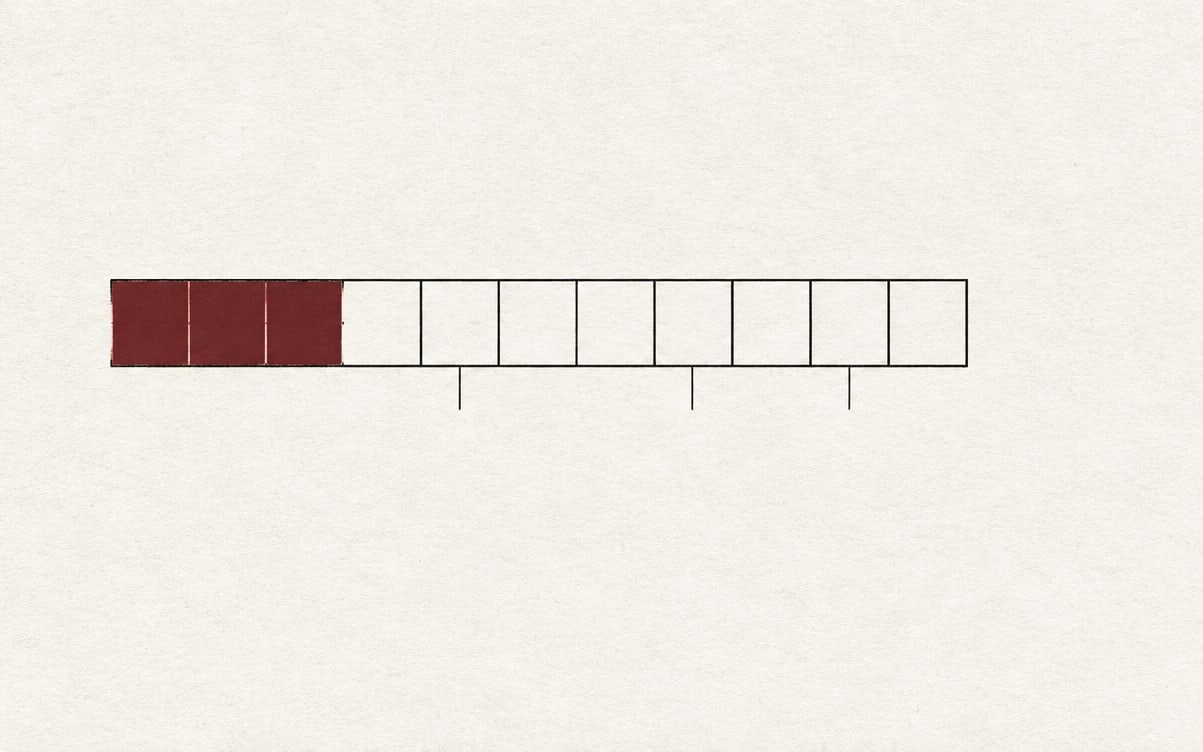
A private school has a fixed number of seats and a window in which parents decide. Most school marketing ignores the window: the same small budget runs all year, the ads say the same thing in October as in June, and the admissions office cannot say which month produced which family.
We ran the 2026 enrollment campaign for St Mary School, a preschool-to-fifth-grade school in Northridge with twelve desks to fill. The campaign is built around the window, and this post is the calendar we work from. The dates are relative to your own enrollment window, because every school’s is different.
Before the window: build, do not spend
Two to three months before enrollment opens, the work is preparation, not media.
- Ask the front office what parents ask on the phone. Hours, class size, grades, tuition range, what a day looks like. Those answers are the ads.
- Shoot the campus. The classroom, the building, the desks, the pickup line. Parents can tell a stock photo from a real room, and the real room is what they are being asked to visit. We shoot this ourselves.
- Build the tour page. One job: a booked campus tour. Hours, class size, grades, tuition range answered plainly. A short form. The phone number above the fold and tracked. Rolling admissions stated clearly so nobody thinks they missed a deadline.
- Set up tracking. Tour bookings from the form, tour bookings from calls, and a way for admissions to mark which tours enrolled.
A small awareness layer can run in this period so the school’s name is not new when the window opens, but the spend is minimal.
During the window: spend where tours convert
When enrollment opens, the campaign goes to full budget. Local Meta campaigns tuned to the neighborhoods the school actually enrolls from, to parents of children in the right age range. Each ad carries one answer from the front office: open 7 to 6, twelve desks, walk a school in forty minutes. Every ad and the page it lands on ask for the same thing, a booked tour.
The weekly report is booked tours against open seats, cost per booked tour by ad, tours that show up versus tours that book, and enrollments from tours as admissions confirms them. Ads that produce tours get the budget. Ads that produce clicks are retired.
As seats fill: reduce, then pause
Once the seats are close to full, the budget comes down. When they are full, the campaign pauses. There is no reason to book tours for seats that do not exist, and a parent who tours a full school is a parent who will not come back next year.
A waitlist campaign is a different, smaller thing, and it should say waitlist.
After the window: keep a small light on
Between windows, a small awareness layer keeps the school visible to families who move into the area mid-year, and the campus photography gets refreshed for the next cycle. The tour page stays live with rolling admissions stated, because some families decide off-cycle.
What we do not publish
St Mary’s 2026 campaign is live, and its results will be on the case page after the enrollment window closes. We do not publish numbers before they are real and dated, and the calendar above is a structure, not a promise about volume.
If you run a school
Write down when your window opens and closes. Then look at your ad account and see whether the spend follows that shape or runs flat. If it runs flat, the budget is buying awareness in months when no parent is deciding. The Marketing Audit comes with a 90-day plan built around your window, and the earlier post on the tour as the conversion covers what the ads should say.